
Farm-to-Port Traceability
Keep every lot connected through every handoff
Build a clear digital history from field and harvest through packing, documents, cold-chain events and delivery readiness.
A shipment is only as clear as its least visible handoff
Origin records, quality checks, certificates, temperature events and shipment updates often travel through separate files and teams. Missing context slows release, makes investigation difficult and reduces confidence between partners.
Capabilities
One verified lot history, from assignment to arrival
Persistent lot identity
Create a stable lot record and connect the relevant farm, field, harvest, pack, quality and shipment information.
Event timeline
Record authorized handoffs, status changes, inspections, treatments and document milestones with time and responsible role.
Document readiness
Organize required files by crop, destination, buyer and shipment. Show what is complete, under review, missing or expired.
Cold-chain record
Associate available temperature and handling events with the lot and shipment to support exception review.
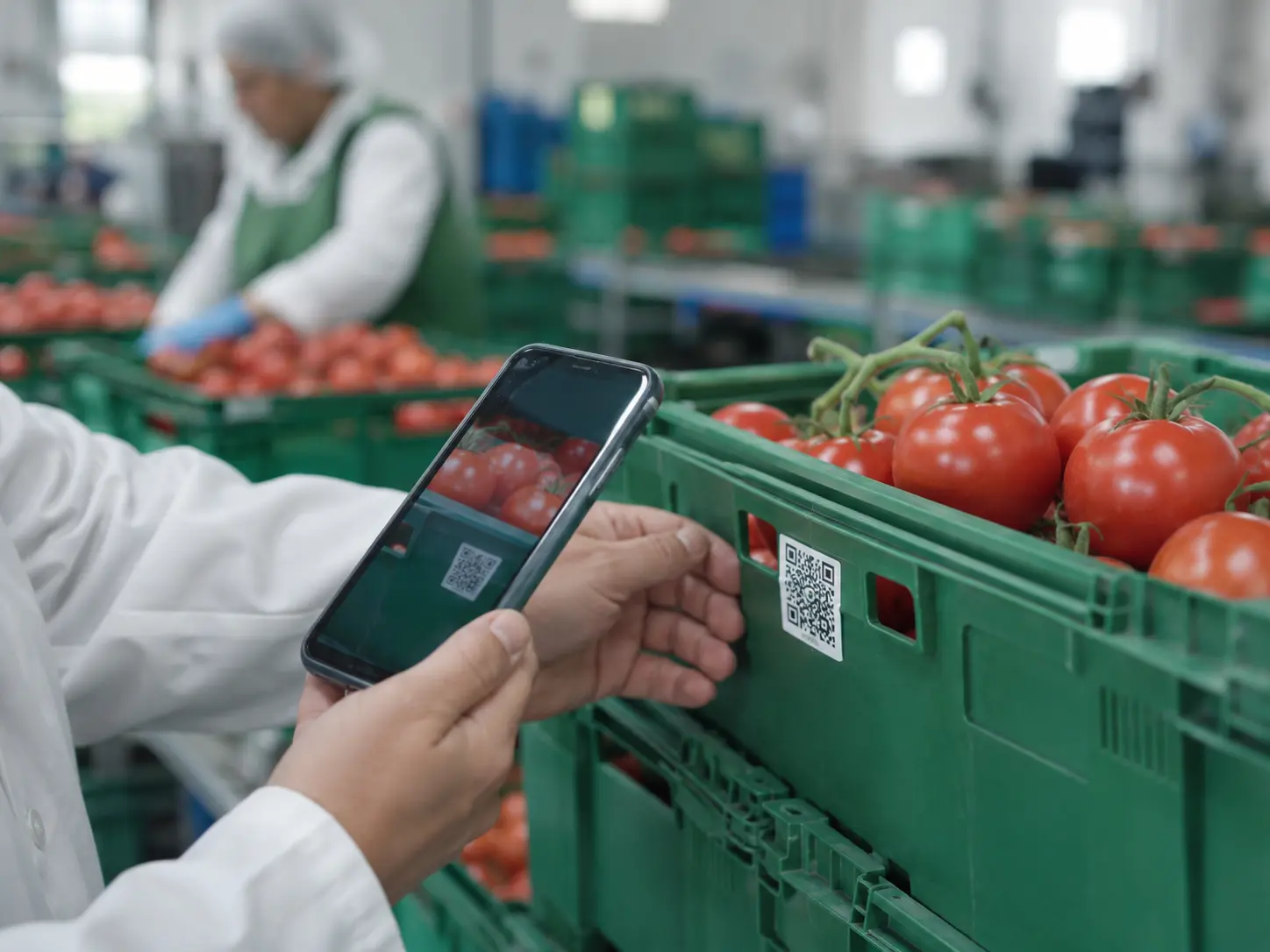
QR-enabled access
Provide role-appropriate access to approved lot information through scannable identifiers without exposing private operational data.
How a pilot works
- Step 1
Assign the lot at harvest or intake and add origin, crop and responsible-party records.
- Step 2
Record quality, packing and treatment events.
- Step 3
Collect and review shipment documents.
- Step 4
Monitor handoffs and authorized cold-chain events.
- Step 5
Share an approved buyer or partner view.
Intended outcomes
- Faster access to lot history
- Fewer missing-document surprises
- Clearer responsibility at handoffs
- Better investigation and recall support
- More credible information exchange with buyers
Traceability does not replace legally required records, inspections, certifications or regulatory systems.
FAQ
Common questions
Is blockchain required?
No. Useful traceability begins with clear identifiers, trusted events, permissions and operating discipline. A distributed ledger should be considered only if it solves a defined governance problem.
Can buyers see all farm data?
No. Views should be limited to approved information relevant to the commercial and traceability relationship.
Does this guarantee regulatory compliance?
No. The platform can help organize requirements and evidence, but the responsible exporter and qualified advisers must confirm current legal and buyer obligations.
Start with one lot and map the full journey
We will identify the handoffs, records and readiness checks that matter for your crop and route.