
Computer Vision Quality
Make produce grading more consistent, visible and actionable
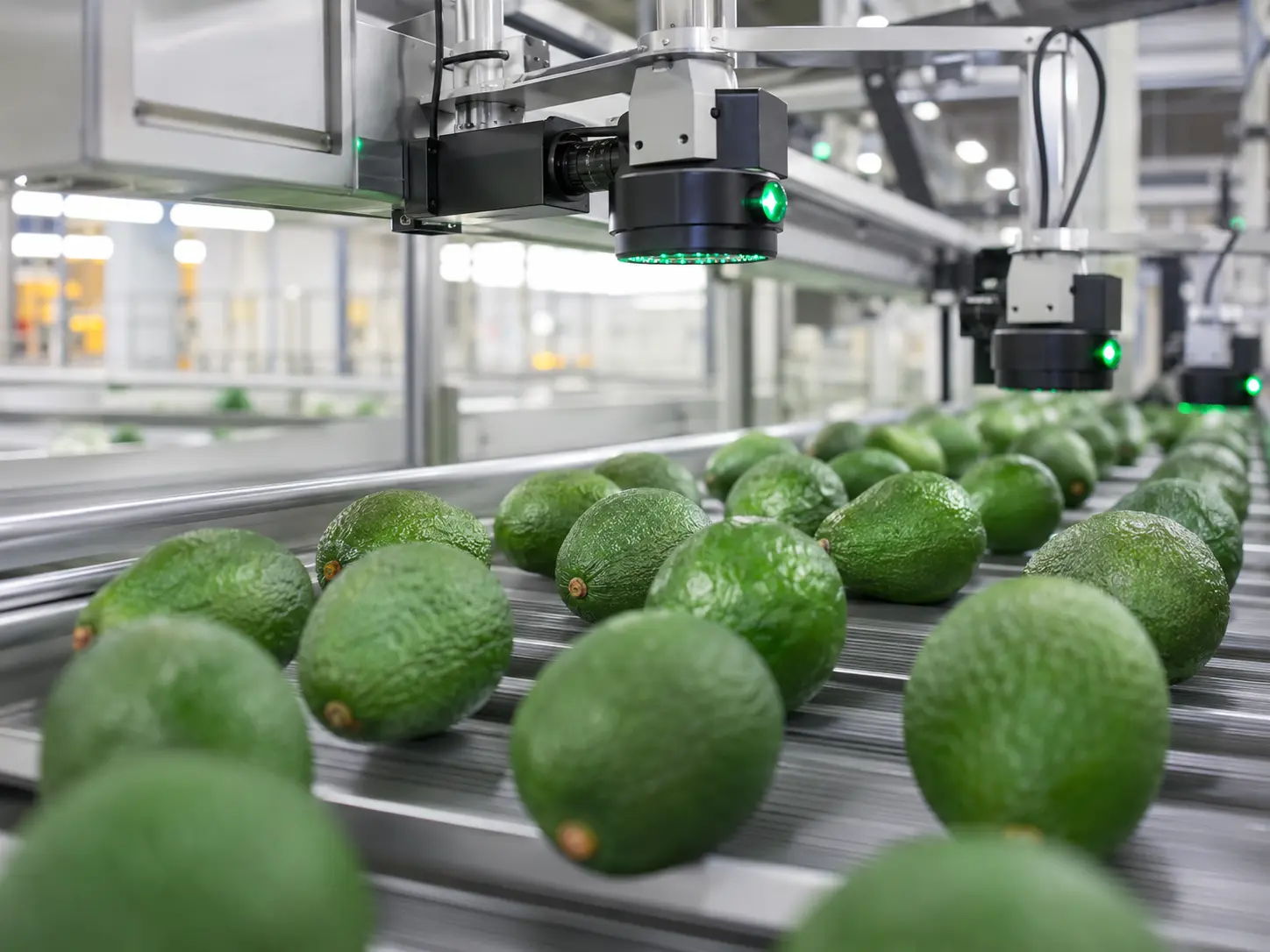
Apply defined quality standards at intake, sorting and packing while preserving a review path for exceptions and changing buyer specifications.
Quality standards are clear on paper—and variable in practice
Lighting, line speed, fatigue, training and subjective interpretation can change how product is graded. When the result is recorded only as a final grade, teams lose the evidence needed to improve upstream quality and explain downstream decisions.
Capabilities
Grading you can audit, explain and improve
Attribute detection
Evaluate configured attributes such as size, color, maturity, shape and visible surface defects.
Grade distribution
Show how each lot is distributed across defined grades instead of reducing the entire lot to one opaque score.
Human exception review
Route uncertain or commercially important cases to trained reviewers and record the final decision.
Buyer-specific specifications
Maintain separate specification profiles and release checks for different buyers or destinations.
Quality feedback loop
Connect grading outcomes back to field, harvest and handling records to identify patterns worth investigating.
How a pilot works
- Step 1
Define the product, camera position and inspection conditions.
- Step 2
Document the quality attributes and grade rules.
- Step 3
Collect representative images across seasons and normal variation.
- Step 4
Validate model performance against trained human review.
- Step 5
Deploy with exception thresholds, audit records and periodic recalibration.
Intended outcomes
- More repeatable grading across shifts
- Faster access to lot-level quality evidence
- Better alignment with buyer specifications
- Earlier identification of recurring defect patterns
- Stronger data for packing and commercial decisions
Actual performance depends on crop, image conditions, training data and the approved inspection process.
FAQ
Common questions
Can a camera identify every defect?
No. Visible attributes can be evaluated only when imaging conditions and training data support them. Internal defects or laboratory characteristics may require separate tests.
Will computer vision replace quality inspectors?
The goal is to make routine inspection more consistent and give trained people better evidence. Experts remain essential for specification design, exceptions and continuous validation.
Can it work with an existing sorting line?
Potentially. The discovery phase reviews physical space, speed, lighting, triggering, network access and integration options before a pilot is proposed.
Turn quality standards into a measurable workflow
Bring a crop, an inspection point and a specification. We will map the evidence and validation a responsible pilot requires.