
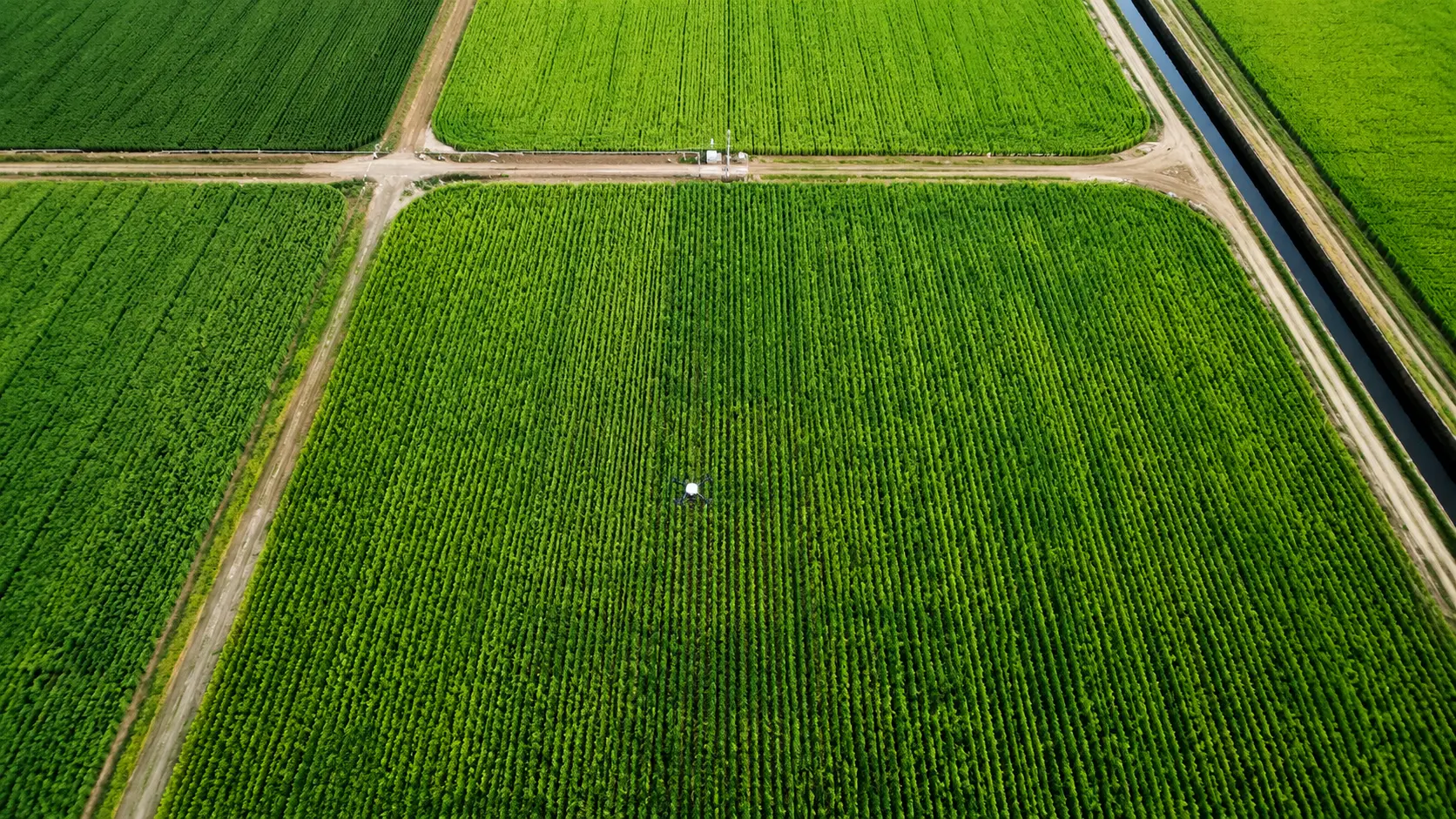
A modern farm can produce more information than any team can review continuously. Weather stations, field observations, irrigation records, imagery and crop models all offer a partial view. The practical challenge is not collecting another signal. It is knowing which signal deserves attention, what evidence supports it and who should act.
That is where field intelligence becomes useful. A responsible AI-assisted workflow brings relevant signals into context, compares them with the expected pattern and highlights exceptions for qualified people to review.
Begin with the decision
Before choosing a sensor or model, define the operating decision. “Improve crop health” is too broad. Better questions include:
- Which blocks should the scouting team inspect first tomorrow?
- Where should irrigation performance be checked?
- Which fields may miss the expected harvest window?
- Which symptom pattern needs an agronomist’s review?
A clear decision determines the data, timing and acceptable uncertainty. It also creates a meaningful way to measure whether the system helps.
Create a reliable field structure
Field data becomes difficult to use when farms, blocks, crop stages and dates are recorded inconsistently. A basic digital structure should identify the operation, field or block, crop and variety, season, growth stage, observation time and responsible person.
This structure does not need to be complex. It needs to be consistent. Good identifiers make it possible to compare observations over time, connect a later quality outcome to its origin and preserve context when people change roles.
Combine signals without hiding their source
One signal rarely tells the whole story. A vegetation change in imagery may reflect water stress, disease, soil variation, recent field work or a technical artifact. A weather risk score may justify scouting but not treatment.
Useful field intelligence should show:
- the signal that changed
- the field and crop stage involved
- the time and source of the observation
- the confidence or threshold used
- related evidence
- the recommended review or action
The system should help a qualified person ask a better question, not present a number as unquestionable truth.
Prioritize exceptions
Most field areas may be operating normally on a given day. AI can help rank the smaller set that deserves attention by comparing new observations with a configured baseline.
For example, an exception workflow might flag a block after a combination of unusual temperature, a change in field imagery and a scouting note. The alert can then assign a field check, request a photo and record the agronomist’s decision.
This is more useful than a dashboard full of colors because it connects the signal to an accountable action.
Record the outcome
The learning loop is incomplete if the system records only the alert. Teams should also capture what was found, what action was taken and whether the condition changed.
Outcome records help answer practical questions:
- Did the alert lead to a confirmed field issue?
- Was the timing early enough to matter?
- Which types of alerts create unnecessary work?
- Are recommendations producing more consistent decisions?
This evidence supports both model improvement and operating improvement.
Measure value carefully
A field intelligence pilot should establish a baseline before claiming improvement. Useful measures may include scouting time, time from signal to inspection, confirmed issue rate, water-use indicators, loss within the pilot scope or harvest forecast accuracy.
Crop, weather and operating conditions change, so comparisons need context. The strongest claim is not the largest percentage. It is the result the team can explain and repeat.
Keep experts in control
Agricultural decisions can affect crop safety, legal compliance, worker safety and the environment. AI-assisted recommendations must remain subject to qualified local judgment, product labels and applicable regulation.
The best role for AI is to organize evidence, surface uncertainty and help scarce expertise reach the right place earlier.
A practical starting point
Choose one crop, one recurring decision and one field cycle. Map the current workflow, identify the minimum evidence and agree on how success will be measured. That creates a pilot a team can learn from—even when the answer is to change direction.
Start with one field decision
Future Food Export can help map a focused field-intelligence pilot around your crop, available data and operating team.